About us
B.Tech-Artificial Intelligence and Data Science
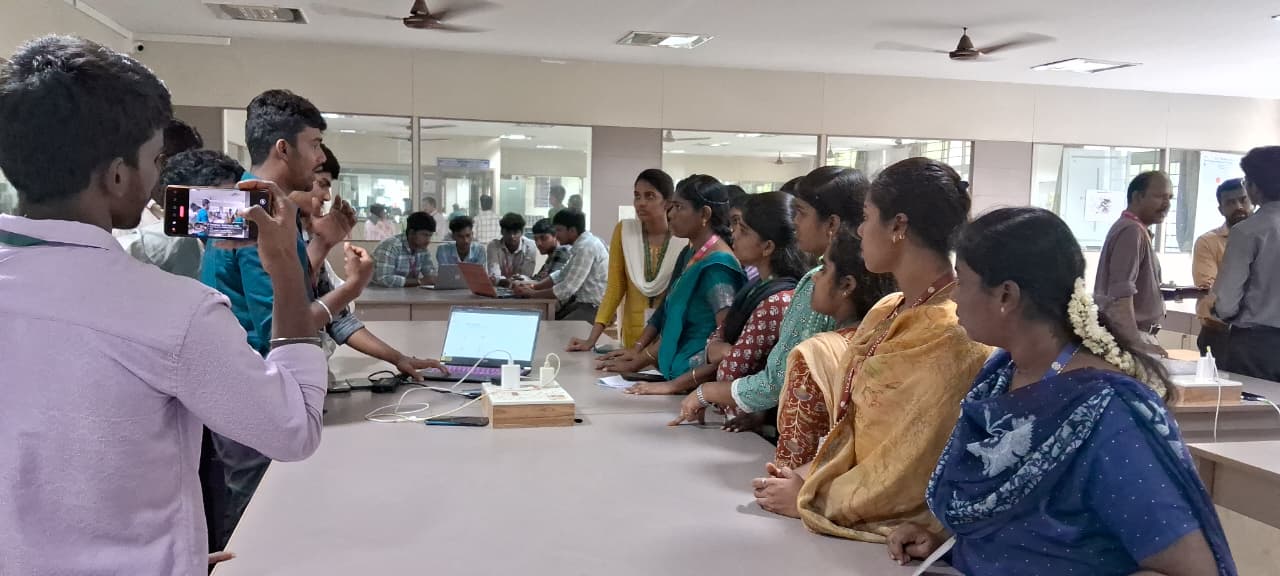
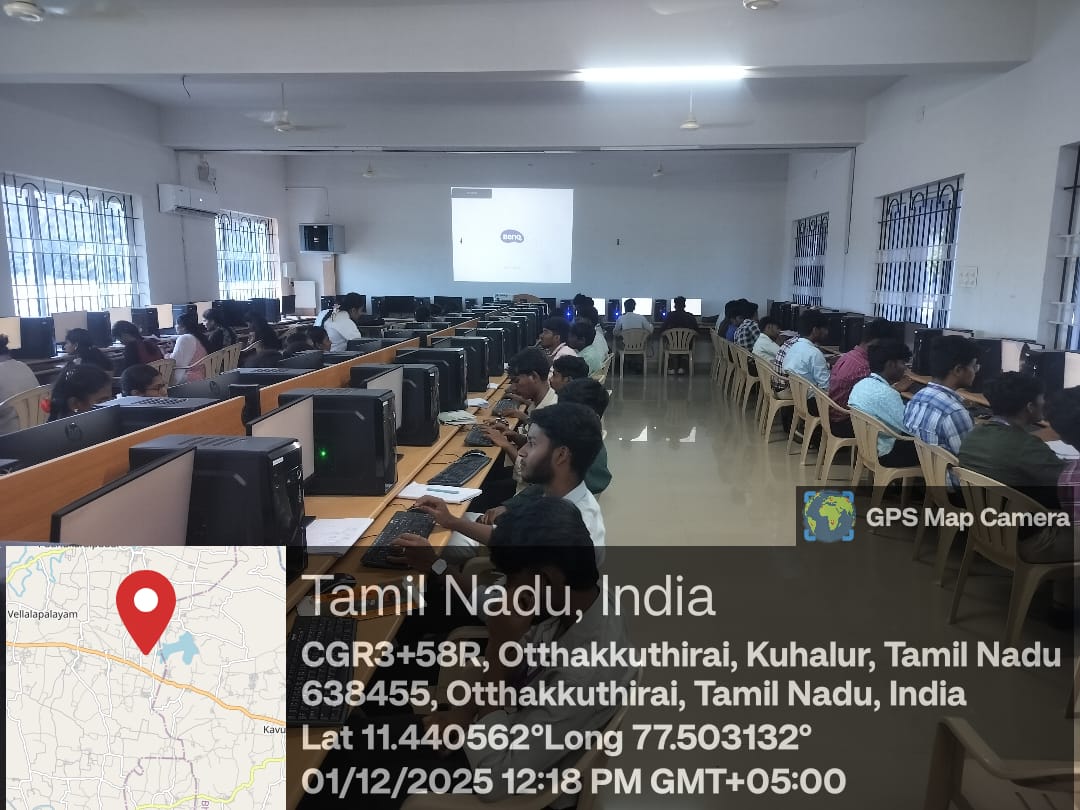
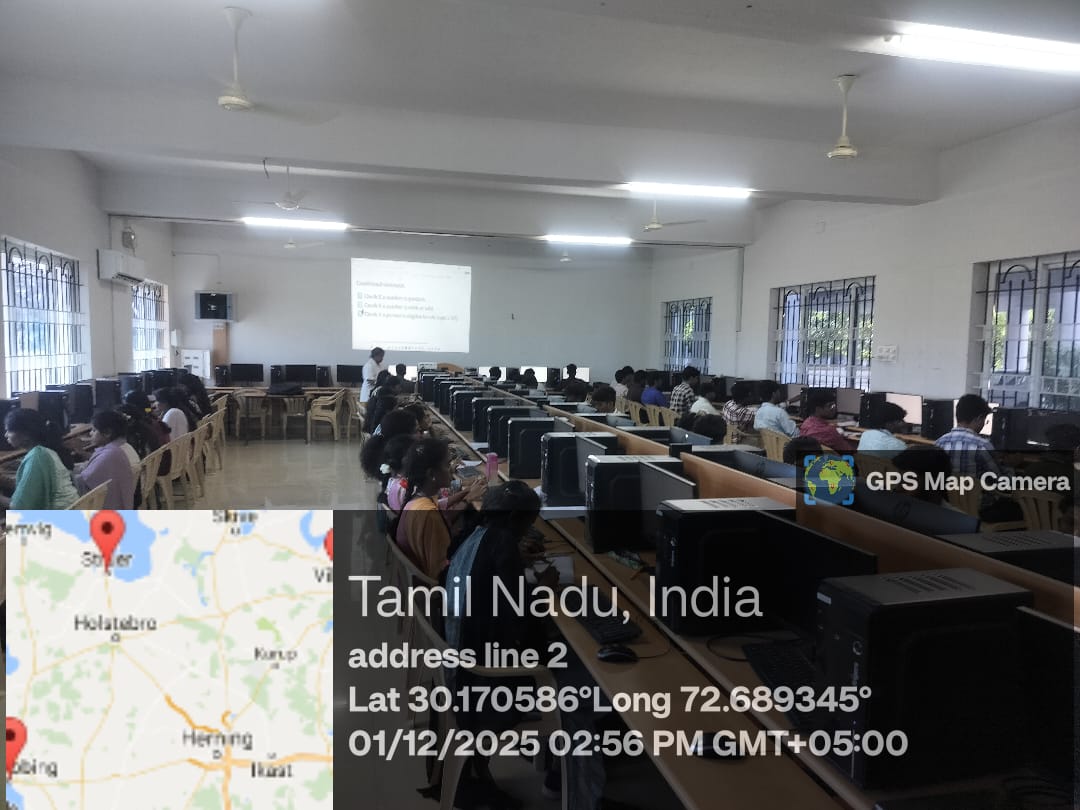
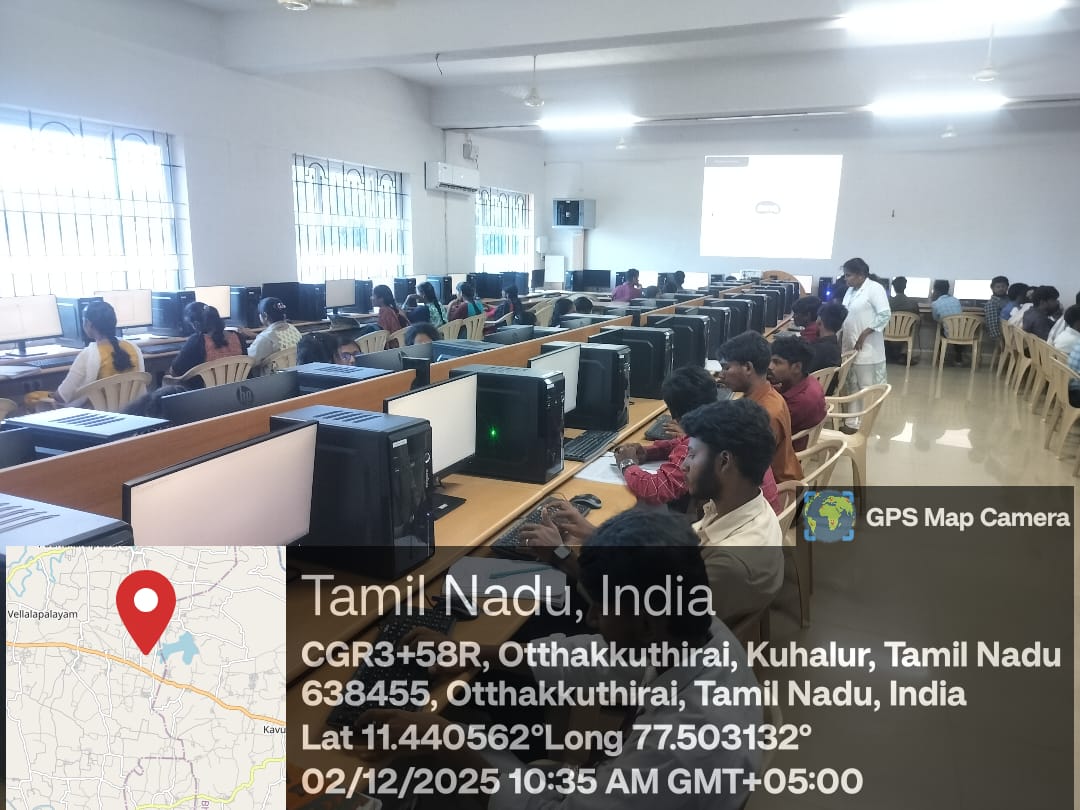
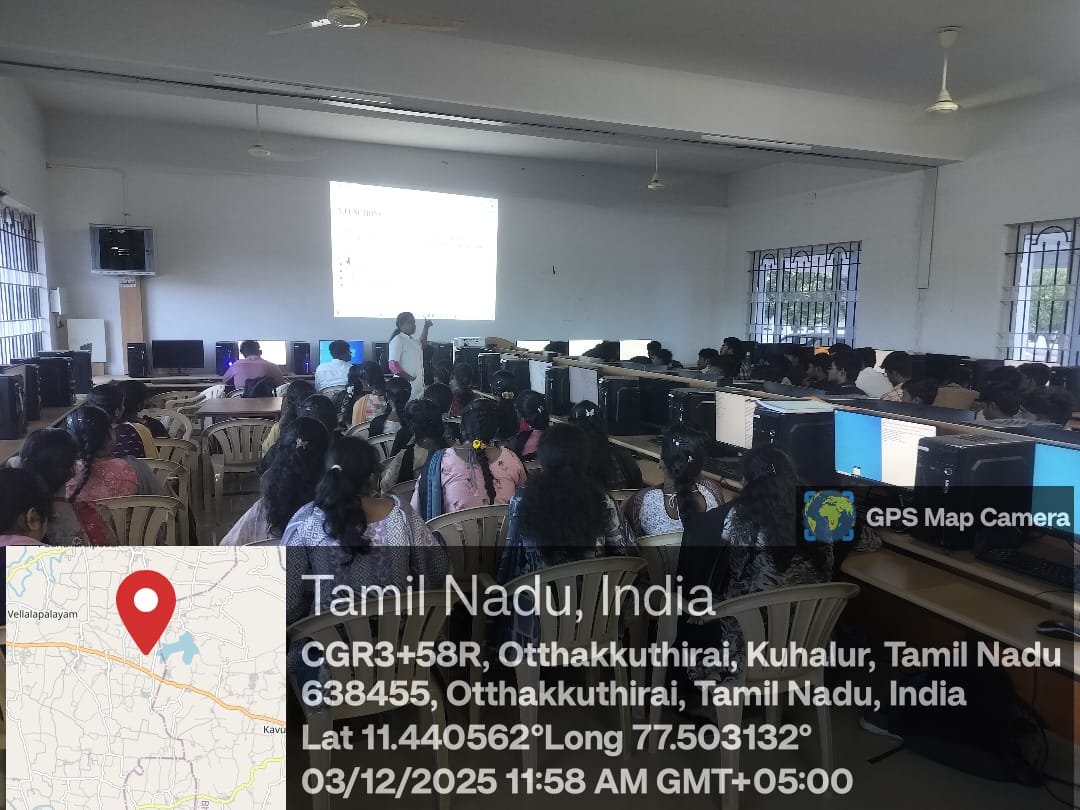
The Department of Artificial Intelligence & Data Science (AI & DS) was established in the Academic Year 2023-24 with an intake of 60 students. This specialised department is designed to meet the evolving needs of the technology industry by providing a solid academic foundation in artificial intelligence, data science, machine learning, and data analytics. AI & DS is a dynamic and interdisciplinary field that brings together principles from computer science, statistics, and mathematics, enabling students to build intelligent systems and derive insights from complex data.
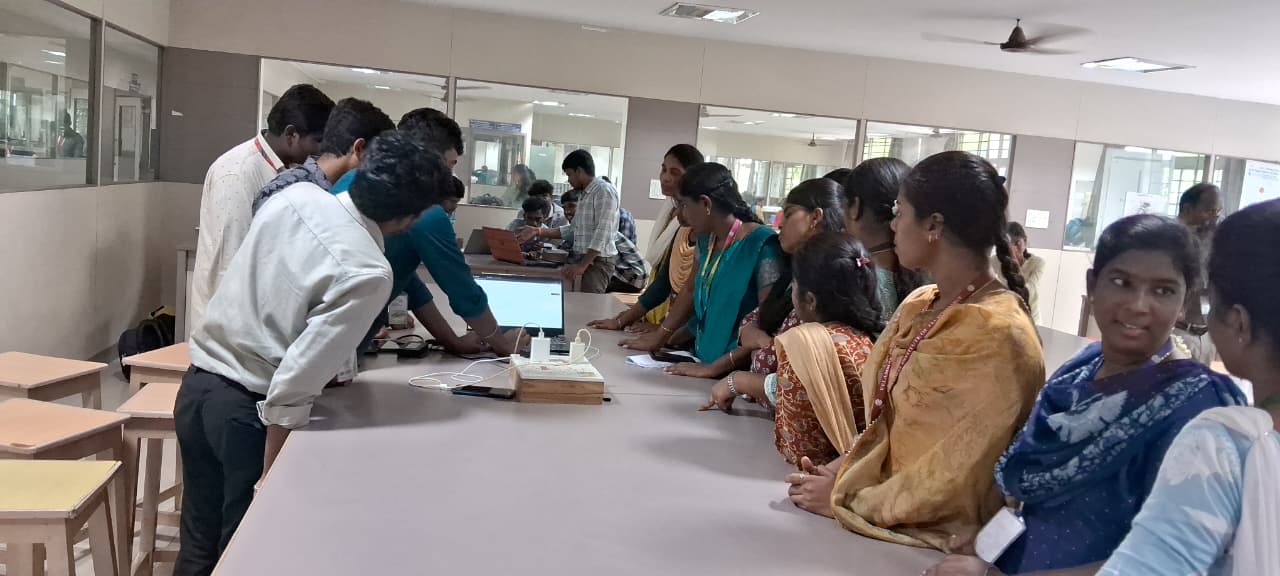
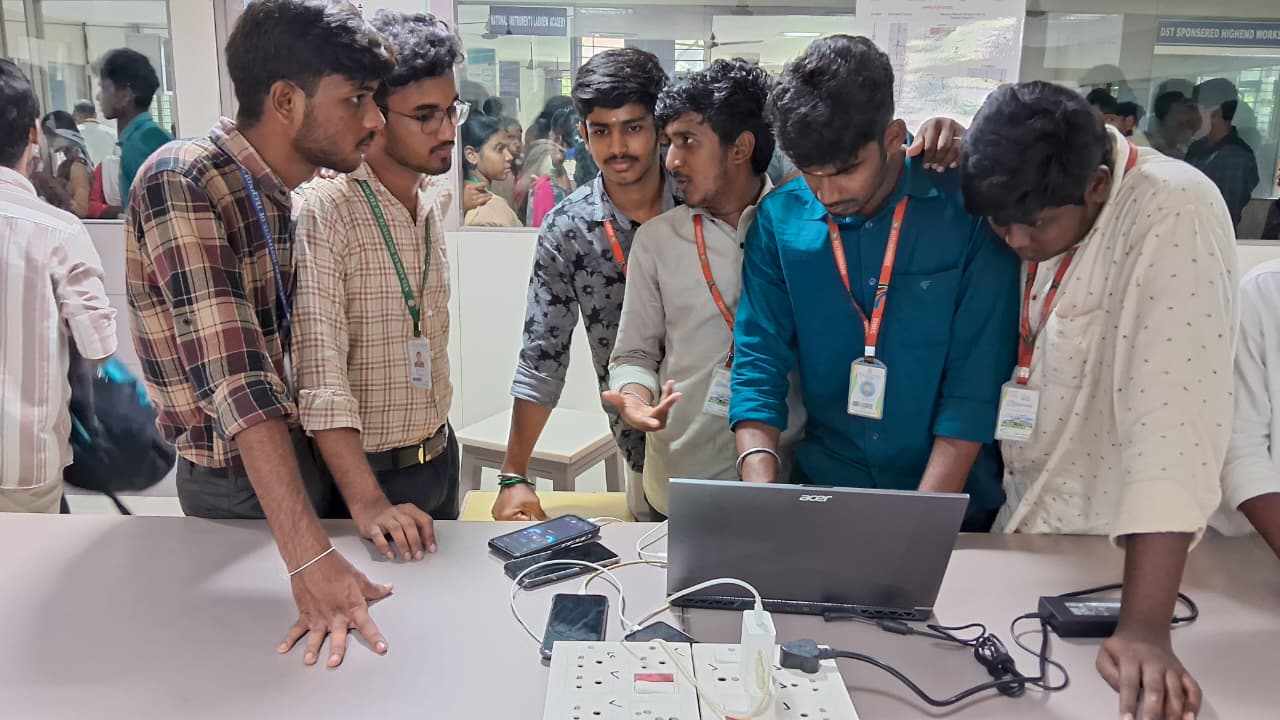
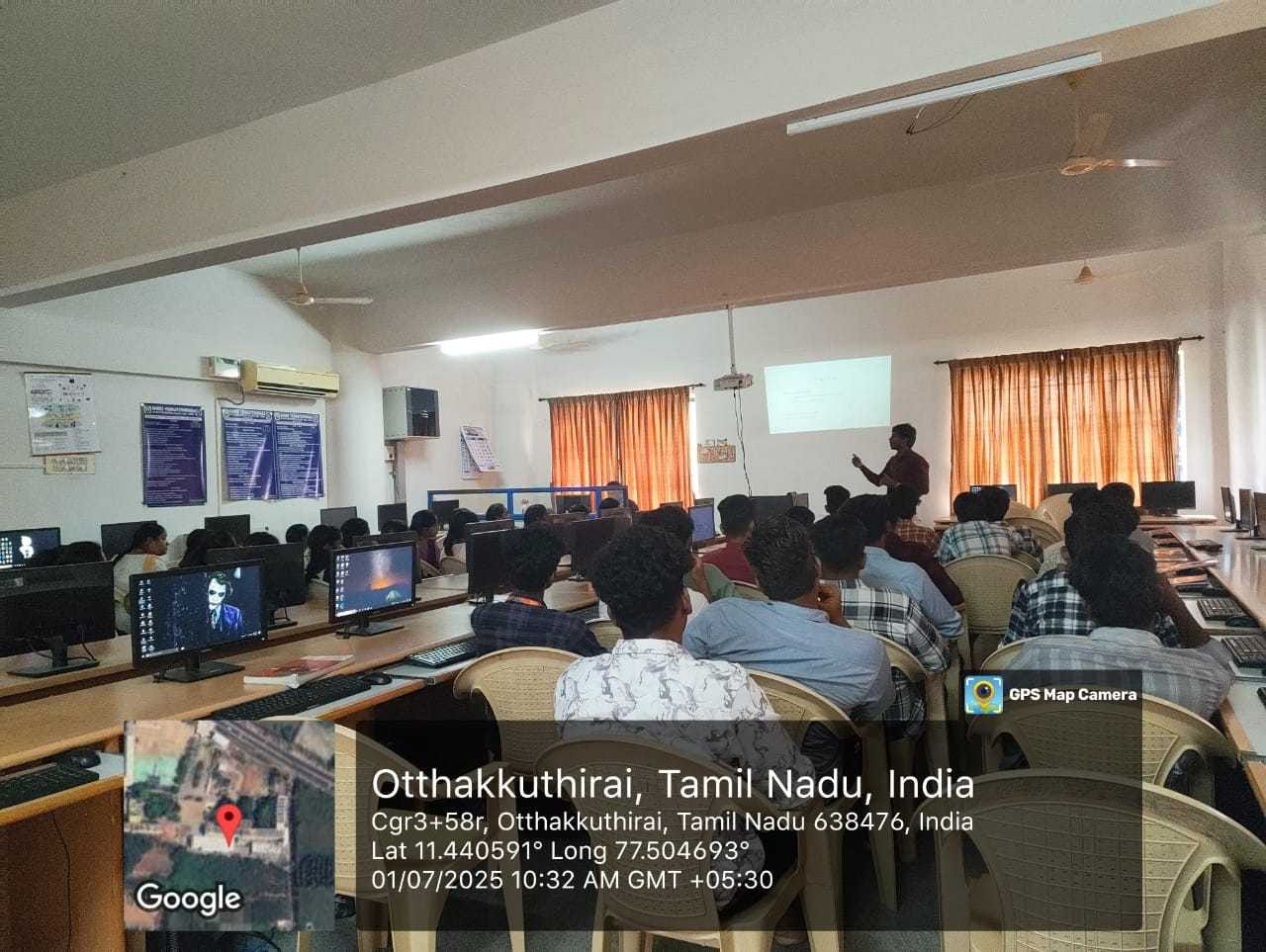
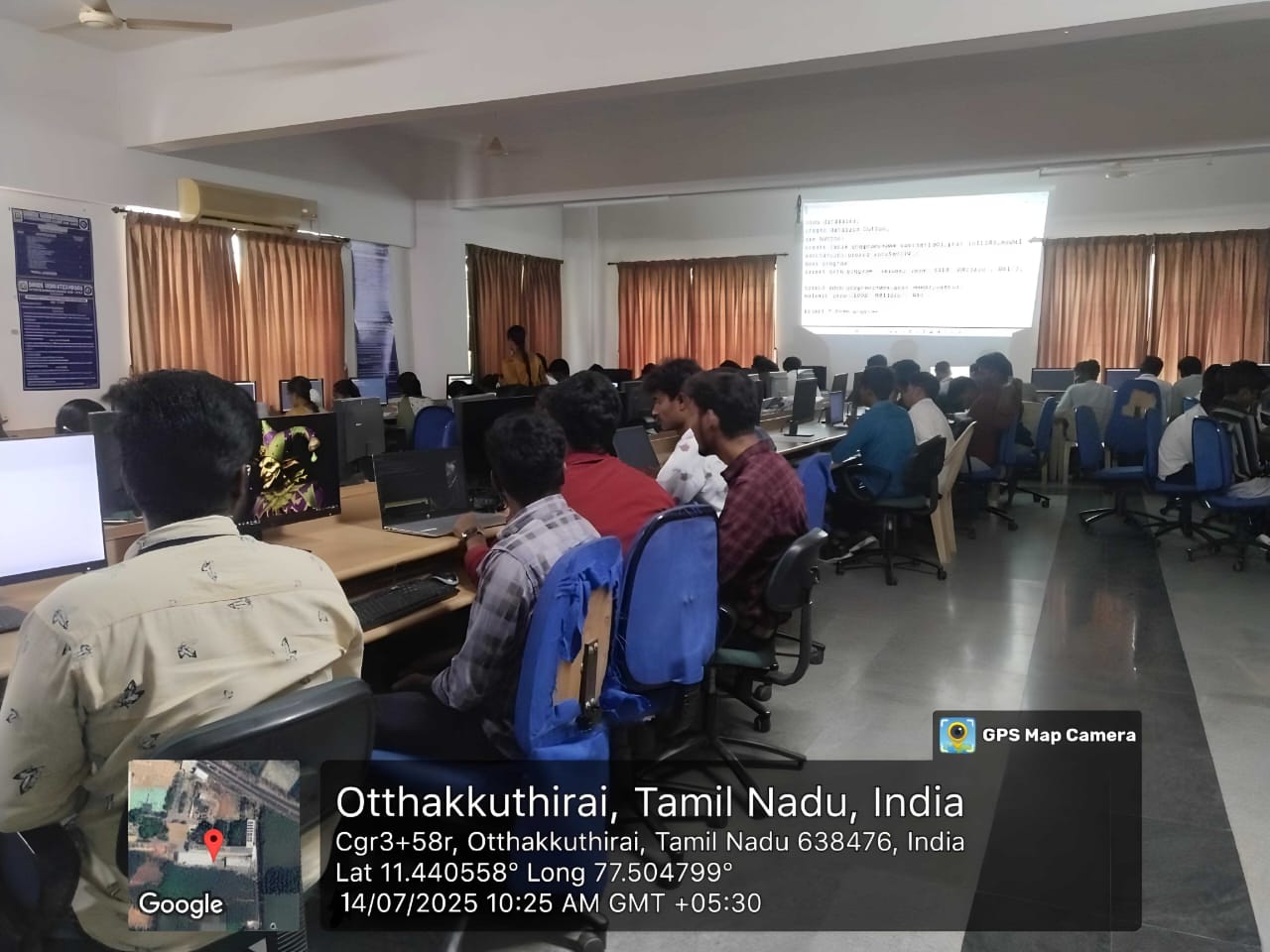
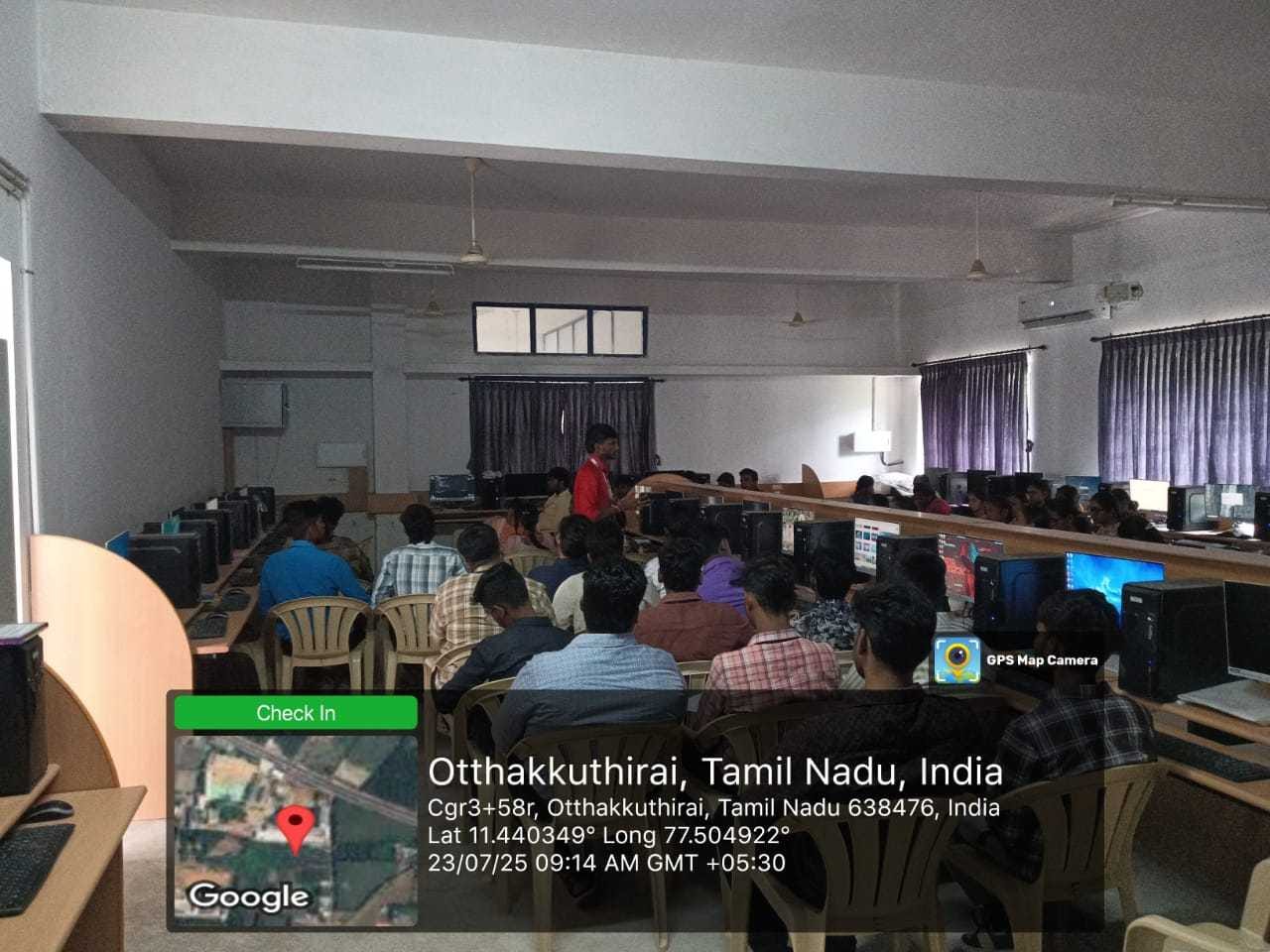
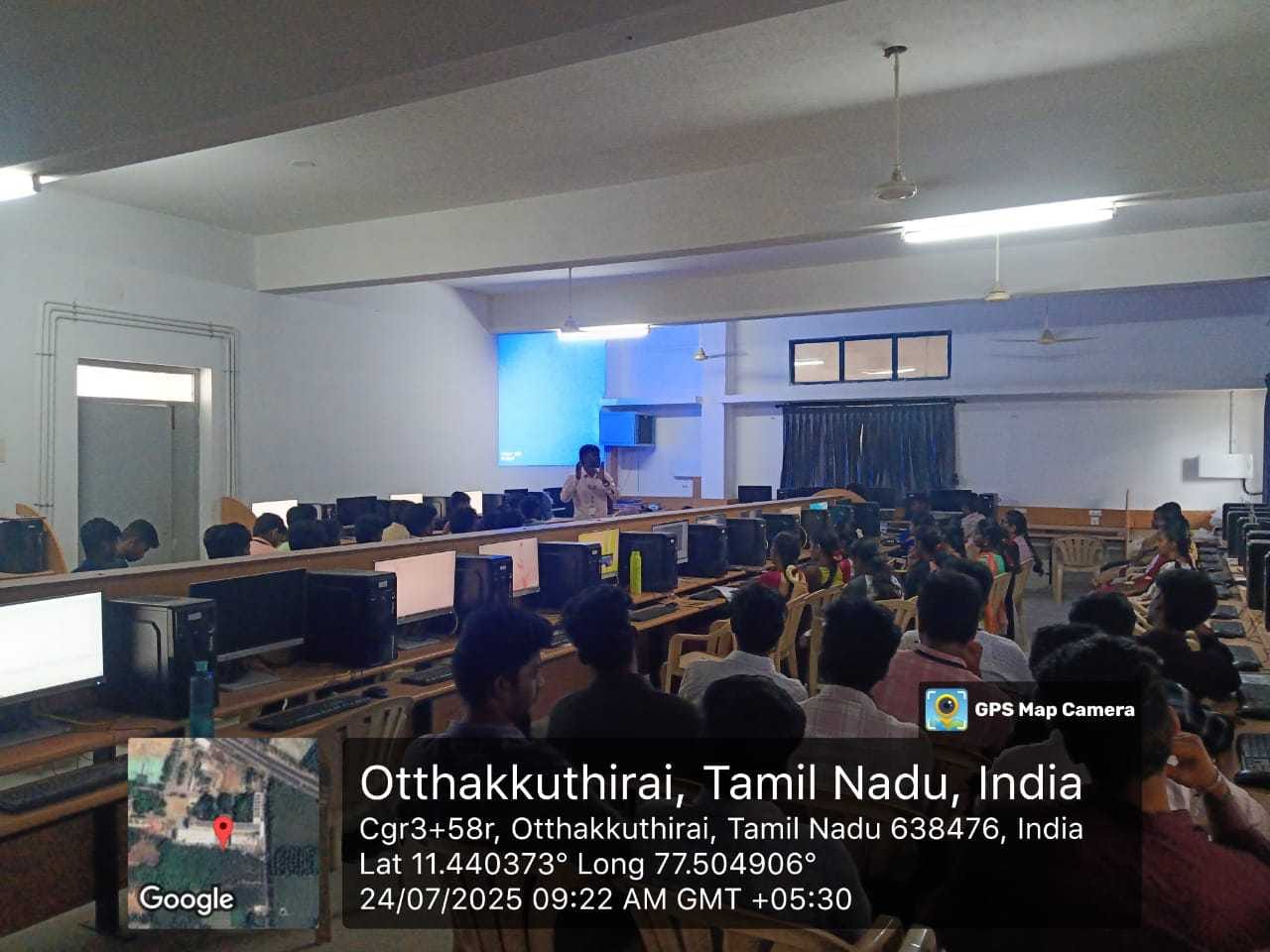
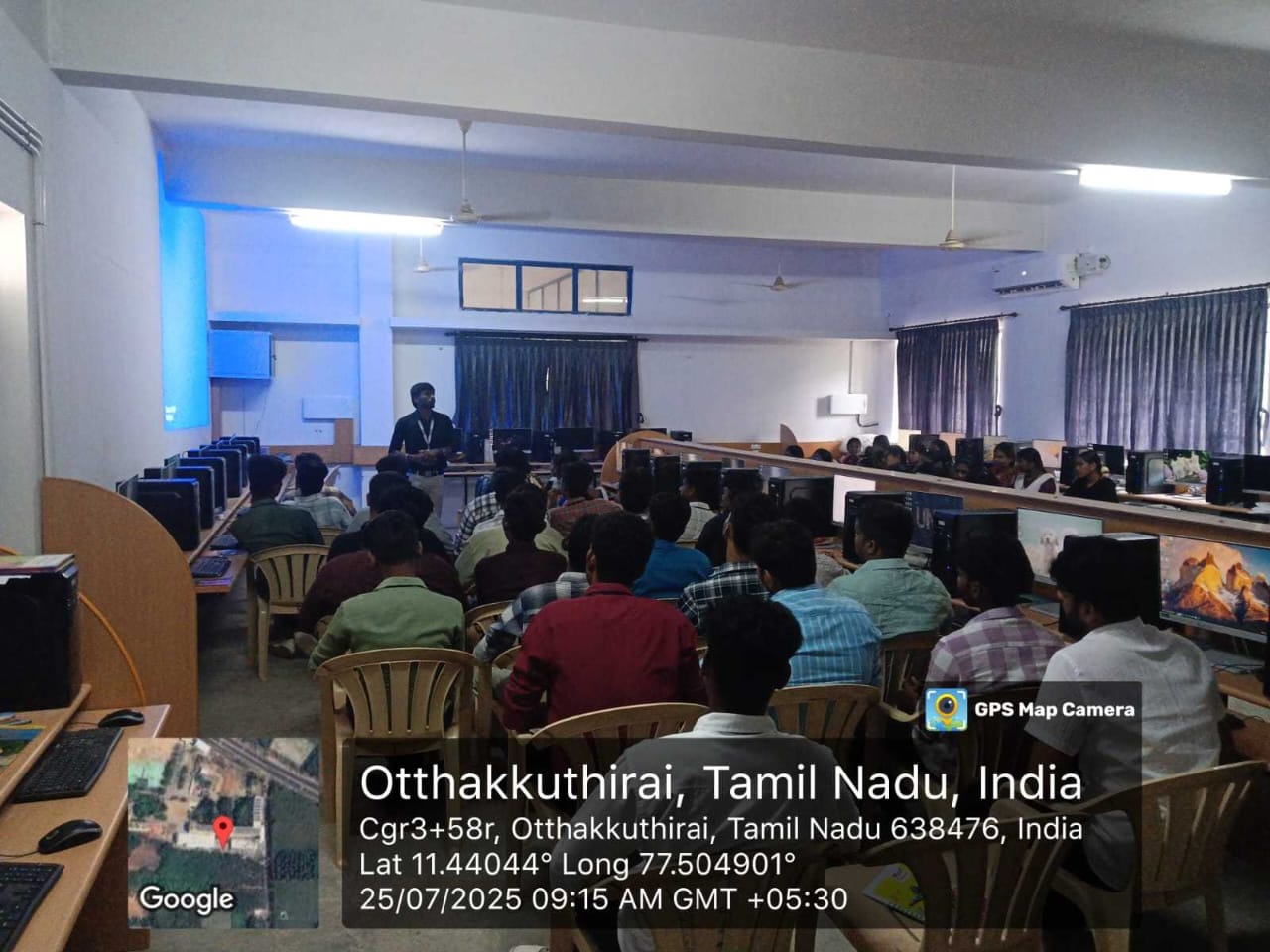
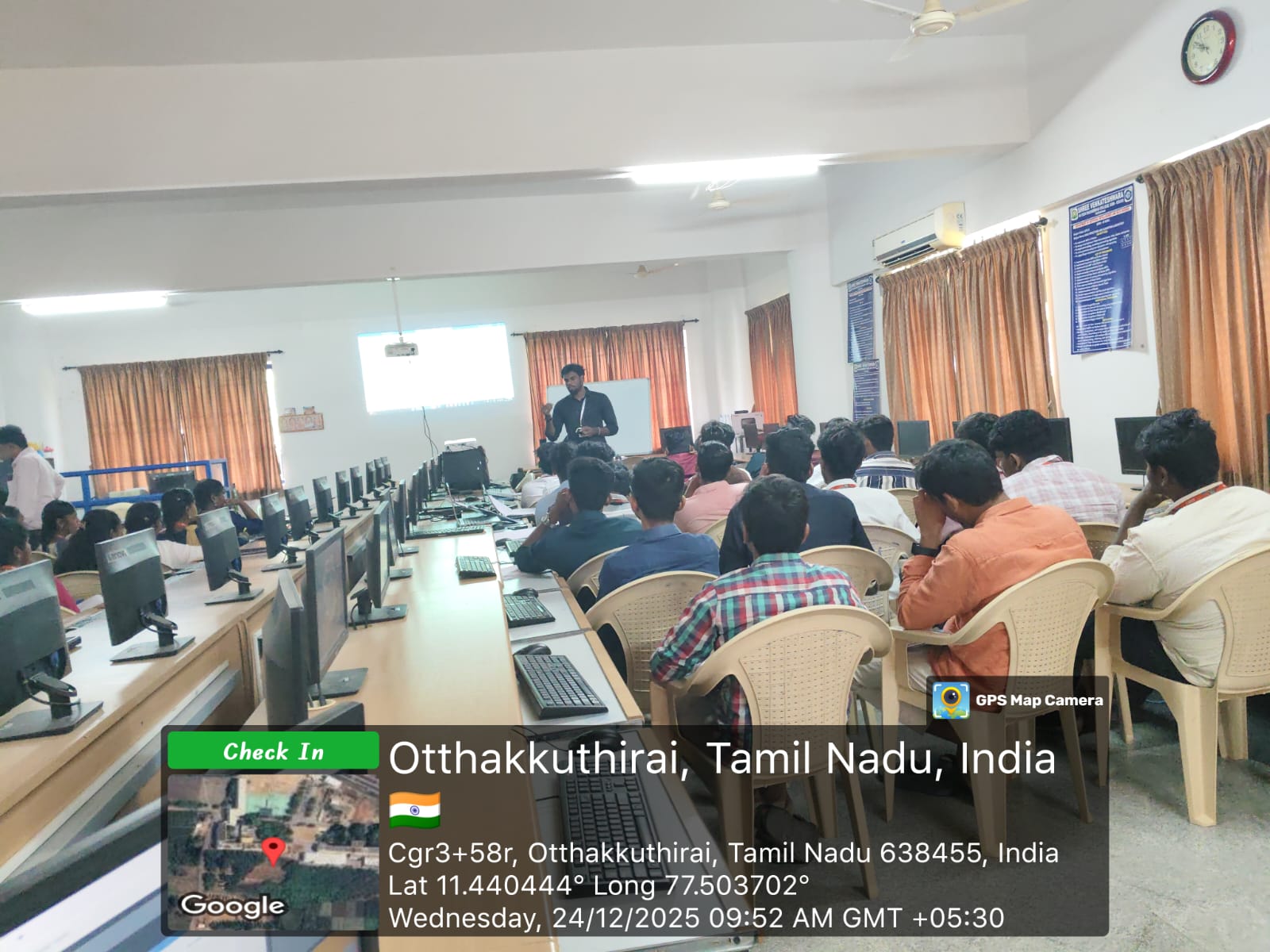
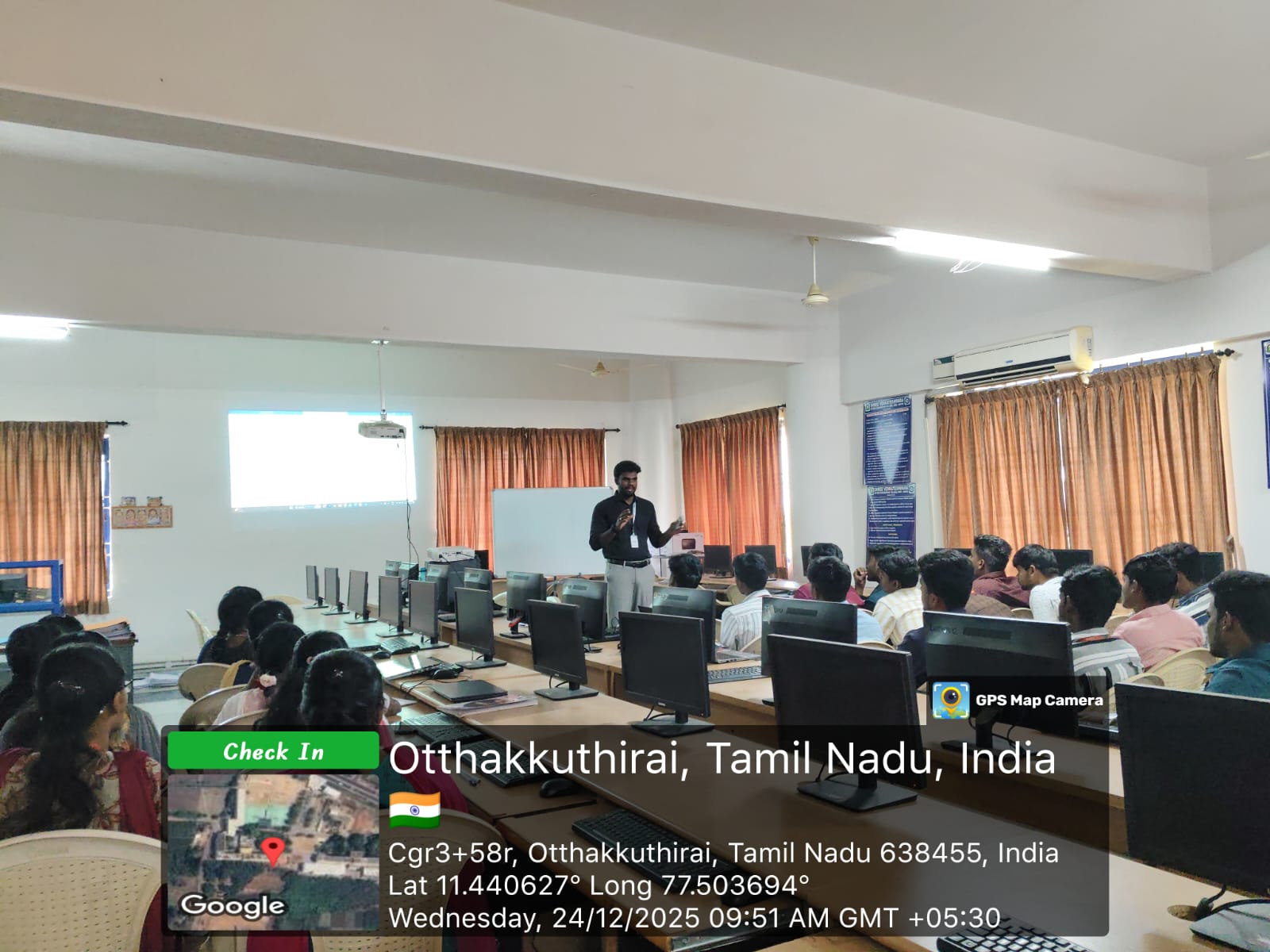
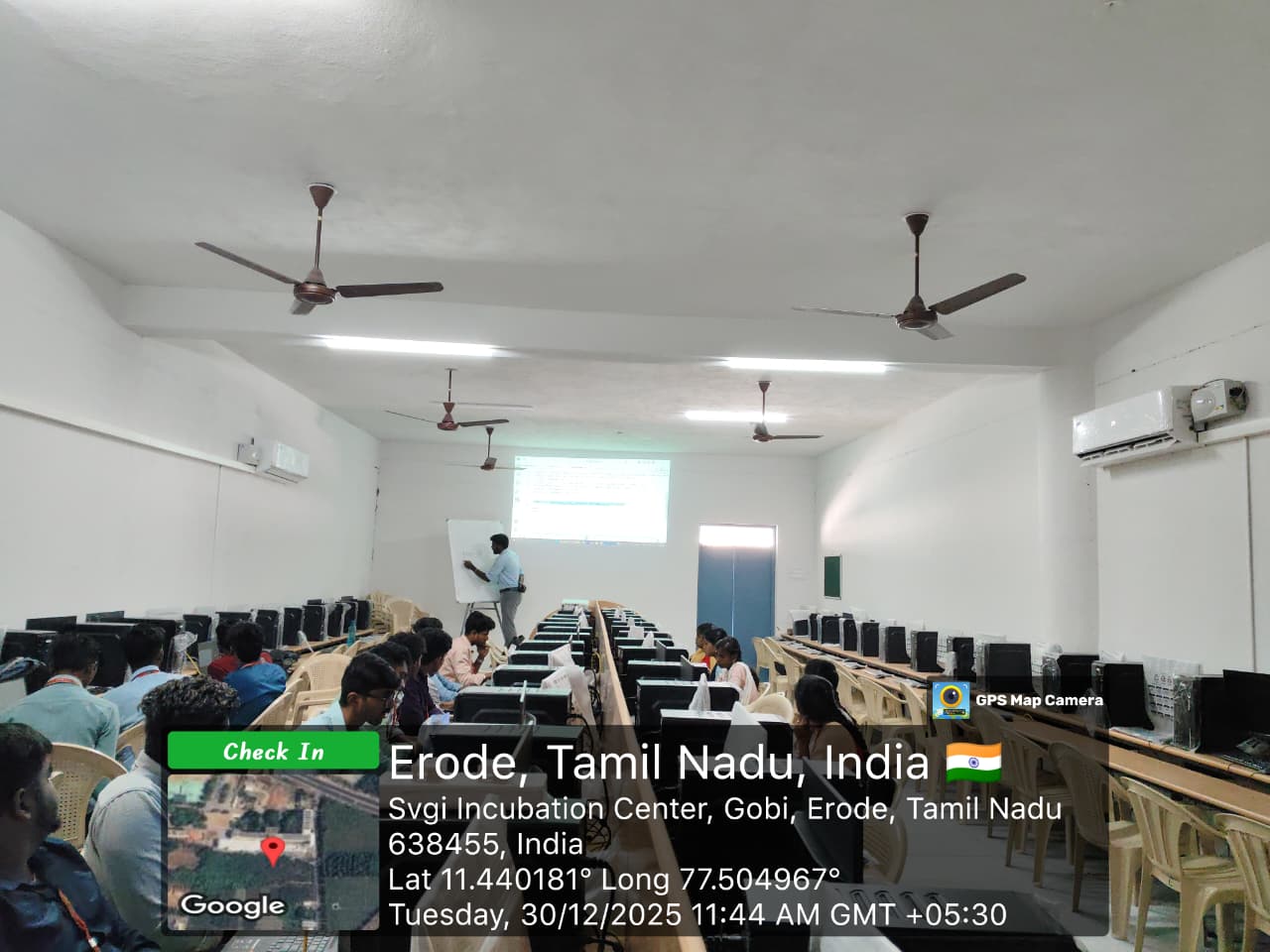
The curriculum emphasises hands-on learning, real-world problem solving, and project-based activities that prepare students to develop data-driven solutions, advanced machine learning models, and visualisation tools. With a blend of theory, practical labs, industry-relevant courses, and experiential learning, students are equipped to thrive in diverse roles across sectors such as technology, finance, healthcare, retail, and research.
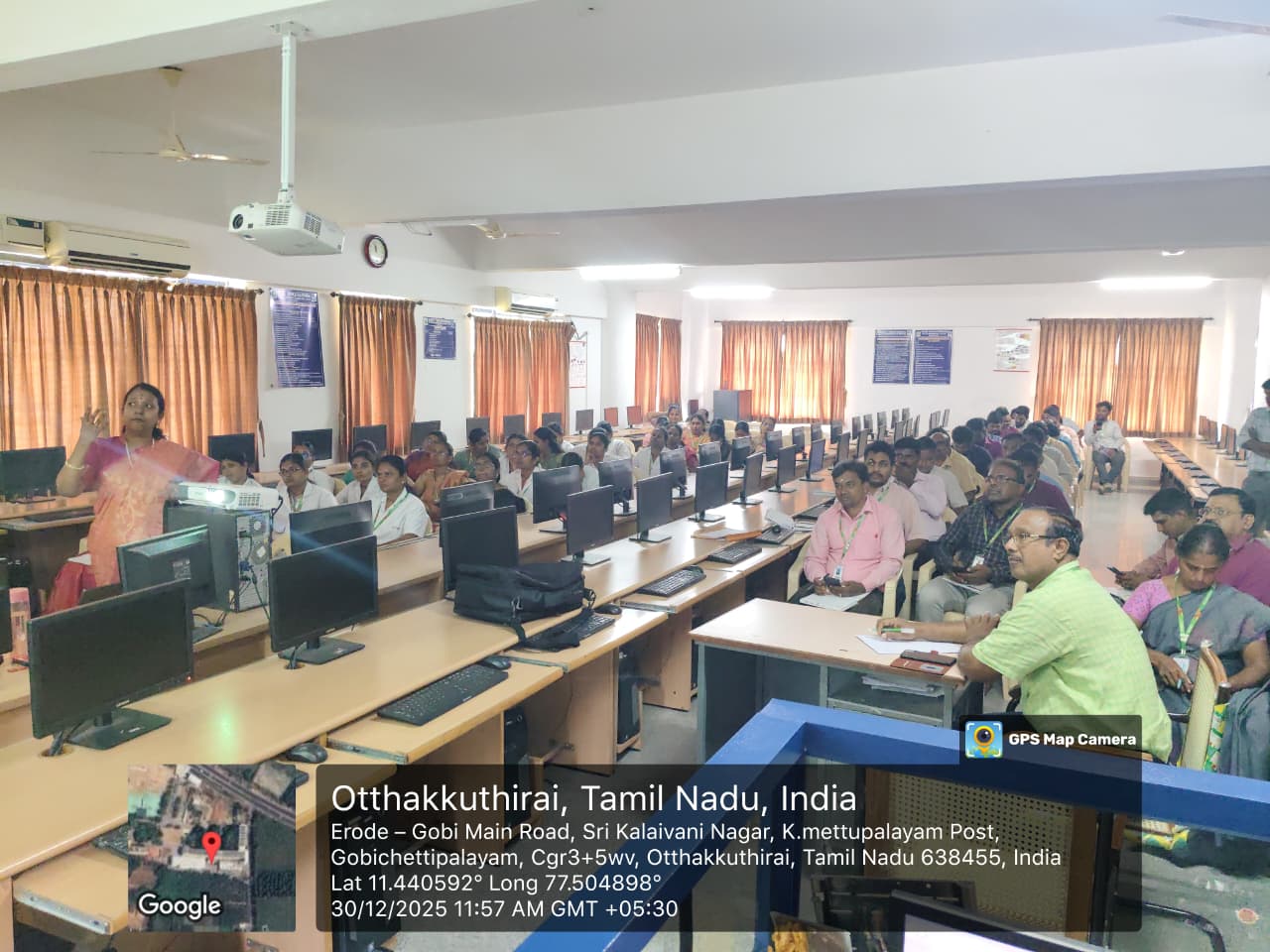
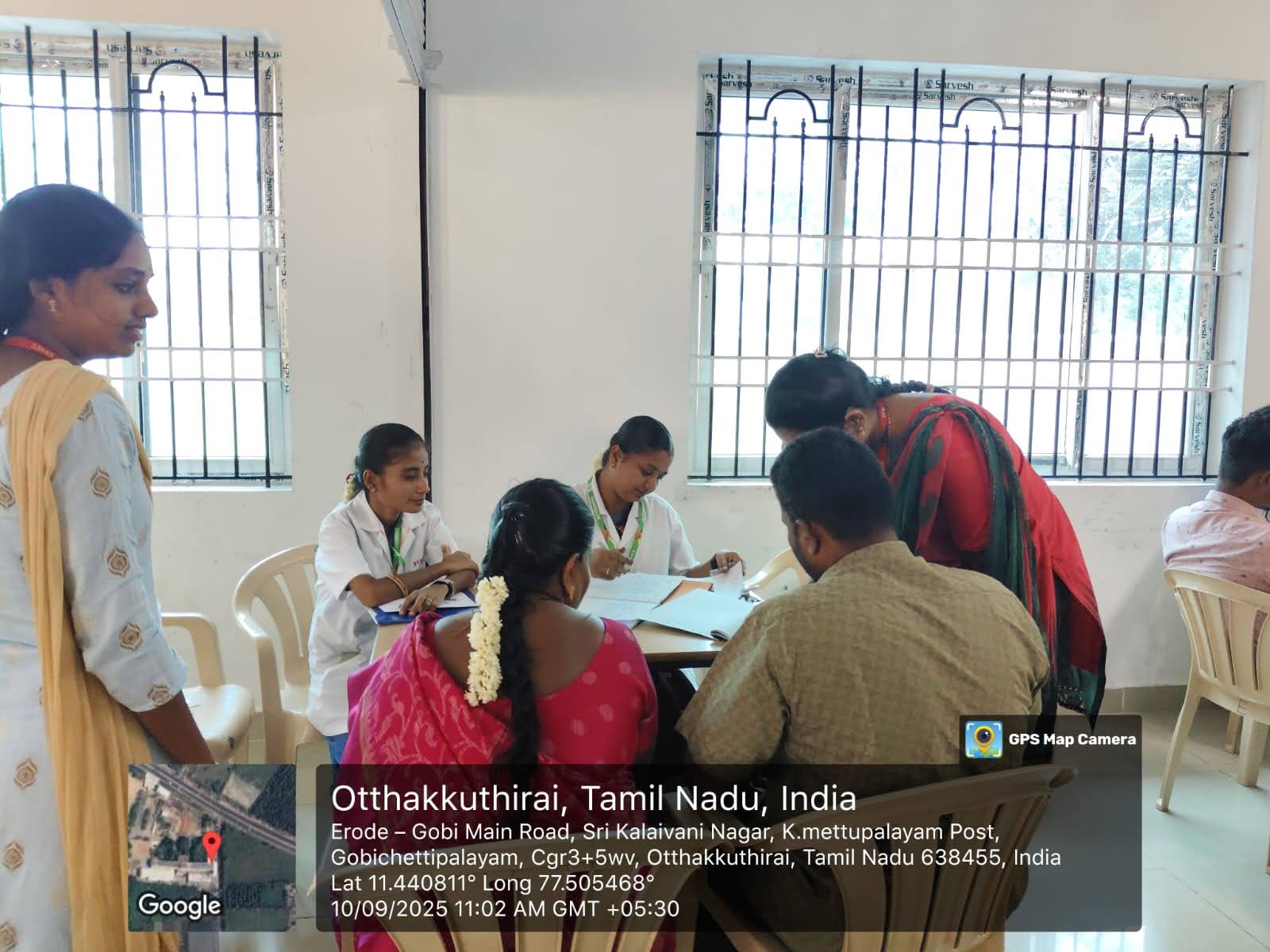
The department is supported by well-qualified faculty with expertise in AI, machine learning, data science, and related areas. It fosters a culture of innovation, collaboration, and continuous learning, encouraging students to engage in seminars, workshops, internships, hackathons, and research projects that enhance their technical competence and professional growth
Intake:60
Vision & Mission
VISION
Evolve as a premier centre of excellence in Artificial Intelligence and Data Science education, research, and innovation, empowering graduates to lead with cutting-edge technical competence, ethical values, and societal impacts
MISSION
M1: Provide high‑quality education in Artificial Intelligence & Data Science through innovative and engaging teaching‑learning methods, leveraging state‑of‑the‑art infrastructure, cutting‑edge tools, and well‑equipped laboratories.
M2: Develop competent professionals in AI & DS by instilling employability, leadership, and communication skills, while emphasizing social responsibility, ethical values, and the ability to solve complex real‑world problems.
M3: Create a holistic and collaborative learning environment that fosters scientific thinking, nurtures ethical values, and strengthens teamwork to empower students to meet the challenges of the AI & DS domain.
M4: Conduct impactful research in AI, Data Science, and Machine Learning to address technological and engineering challenges, contributing to the advancement of both industry and society.
.
Programme Outcomes
PO1: Engineering Knowledge: Apply knowledge of mathematics, natural science, computing, engineering fundamentals and an engineering specialization as specified in WK1 to WK4 respectively to develop to the solution of complex engineering problems. PO2: Problem Analysis: Identify, formulate, review research literature and analyze complex engineering problems reaching substantiated conclusions with consideration for sustainable development. (WK1 to WK4) PO3: Design/Development of Solutions: Design creative solutions for complex engineering problems and design/develop systems/components/processes to meet identified needs with consideration for the public health and safety, whole-life cost, net zero carbon, culture, society and environment as required. (WK5) PO4: Conduct Investigations of Complex Problems: Conduct investigations of complex engineering problems using research-based knowledge including design of experiments, modelling, analysis & interpretation of data to provide valid conclusions. (WK8). PO5: Engineering Tool Usage : Create, select and apply appropriate techniques, resources and modern engineering & IT tools, including prediction and modelling recognizing their limitations to solve complex engineering problems. (WK2 and WK6) PO6: The Engineer and The World: Analyze and evaluate societal and environmental aspects while solving complex engineering problems for its impact on sustainability with reference to economy, health, safety, legal framework, culture and environment. (WK1, WK5, and WK7). PO7: Ethics: Apply ethical principles and commit to professional ethics, human values, diversity and inclusion; adhere to national & international laws. (WK9) PO8: Individual and Collaborative Teamwork: Function effectively as an individual, and as a member or leader in diverse/multi-disciplinary teams. PO9: Communication: Communicate effectively and inclusively within the engineering community and society at large, such as being able to comprehend and write effective reports and design documentation, make effective presentations considering cultural, language, and learning differences PO10: Project Management and Finance: Apply knowledge and understanding of engineering management principles and economic decision-making and apply these to one’s own work, as a member and leader in a team, and to manage projects and in multidisciplinary environments. PO11: Life-Long Learning: Recognize the need for, and have the preparation and ability for i) independent and life-long learning ii)adaptability tone and emerging technologies and iii) critical thinking in the broadest context of technological change. (WK8)Programme Educational Objectives
PEO1: Technical Excellence
Apply foundational knowledge of AI, Data Science, and engineering to develop innovative solutions for real‑world problems, demonstrating competency in modern technologies and tools.
Aligned with M1, M3
PEO2: Research and Problem Solving
Pursue advanced research and contribute to technological innovations in AI and Data Science, equipped with critical thinking and problem‑solving skills to address both industry and societal needs.
Aligned with M4
PEO3: Ethical Leadership and Professional Growth
Exhibit leadership skills, ethical values, and a commitment to lifelong learning, demonstrating effective communication, teamwork, and professionalism in the rapidly evolving field of AI & DS.
Aligned with M2, M3
.
Programme Specific Outcomes
Upon successful completion of the B.Tech AI & DS programme, graduates will have:
PSO1: AI & Data Science Solutions
Demonstrate proficiency in Artificial Intelligence, Machine Learning, and Data Science techniques to develop, analyze, and deploy AI systems and data-driven solutions across diverse industries like healthcare, finance, e-commerce, and more.
Supports PEO1
PSO2: Data-Driven Decision Making
Utilize data collection, preprocessing, visualization, and predictive modelling techniques to convert big data into actionable insights and support data-driven decision-making in business and engineering contexts.
Supports PEO2
PSO3: Ethical and Sustainable AI
Apply ethical principles and social responsibility in the development and deployment of AI systems, ensuring the creation of sustainable, fair, and transparent solutions that positively impact society.
Supports PEO3
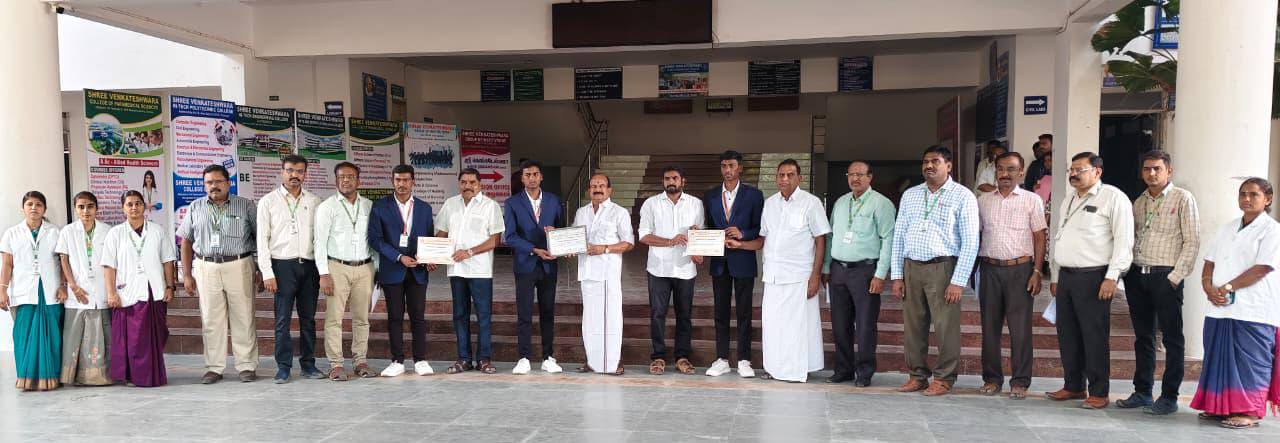
BoS MEETING
Faculty Details
| S. NO. | NAME | QUALIFICATION | DESIGNATION |
| 1 | Dr. R.SENTHILKUMAR | ME.,Ph.D | PROFESSOR / HEAD |
| 2 | P.M.MANOCHITRA | BE.,ME | ASSISTANT PROFESSOR |
| 3 | K.V.NITHYA SUNDARI | BE.,ME | ASSISTANT PROFESSOR |
| 4 | P.SATHIYARAJ | BE.,ME | ASSISTANT PROFESSOR |
| 5 | M.SATHEESH | BE.,ME | ASSISTANT PROFESSOR |
| 6 | K.LAKSHMANA KUMAR | BE.,ME | ASSISTANT PROFESSOR |
| 7 | R.SANGEETHA | BE.,ME | ASSISTANT PROFESSOR |
| 8 | S.SABITHA | BE.,ME | ASSISTANT PROFESSOR |
| 9 | N.MEKALA | BE.,ME | ASSISTANT PROFESSOR |
| GENERAL ENGINEERING | |||
| 1 | R.MADHUMEENA | BE.,ME | ASSISTANT PROFESSOR |